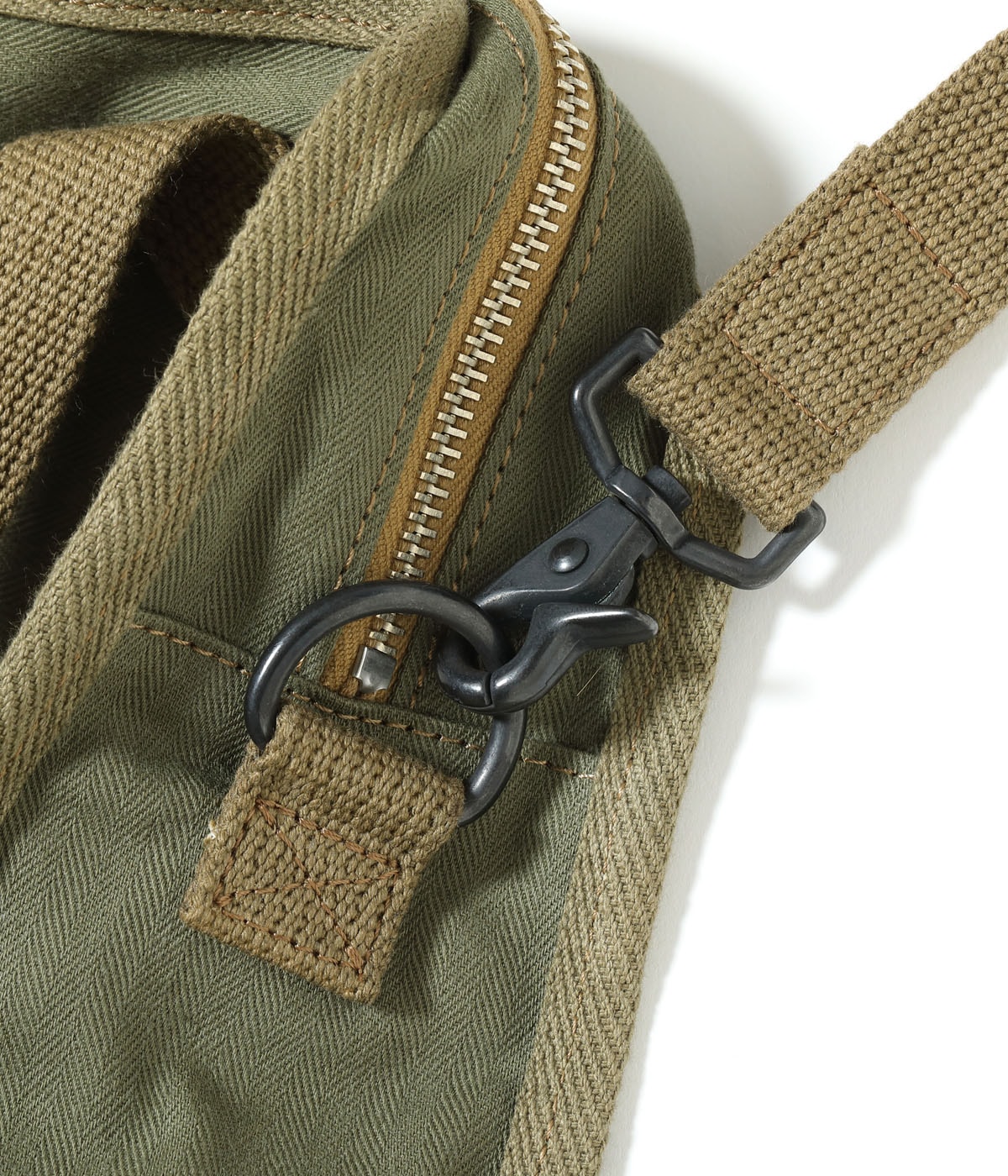

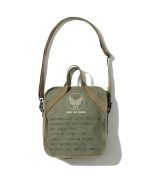
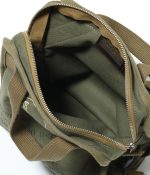
Buzz Rickson’s Lot BR02833 / SUIT-PNEUMATIC ANTI-G, TYPE G-3A HBT BAG
SGD319.00
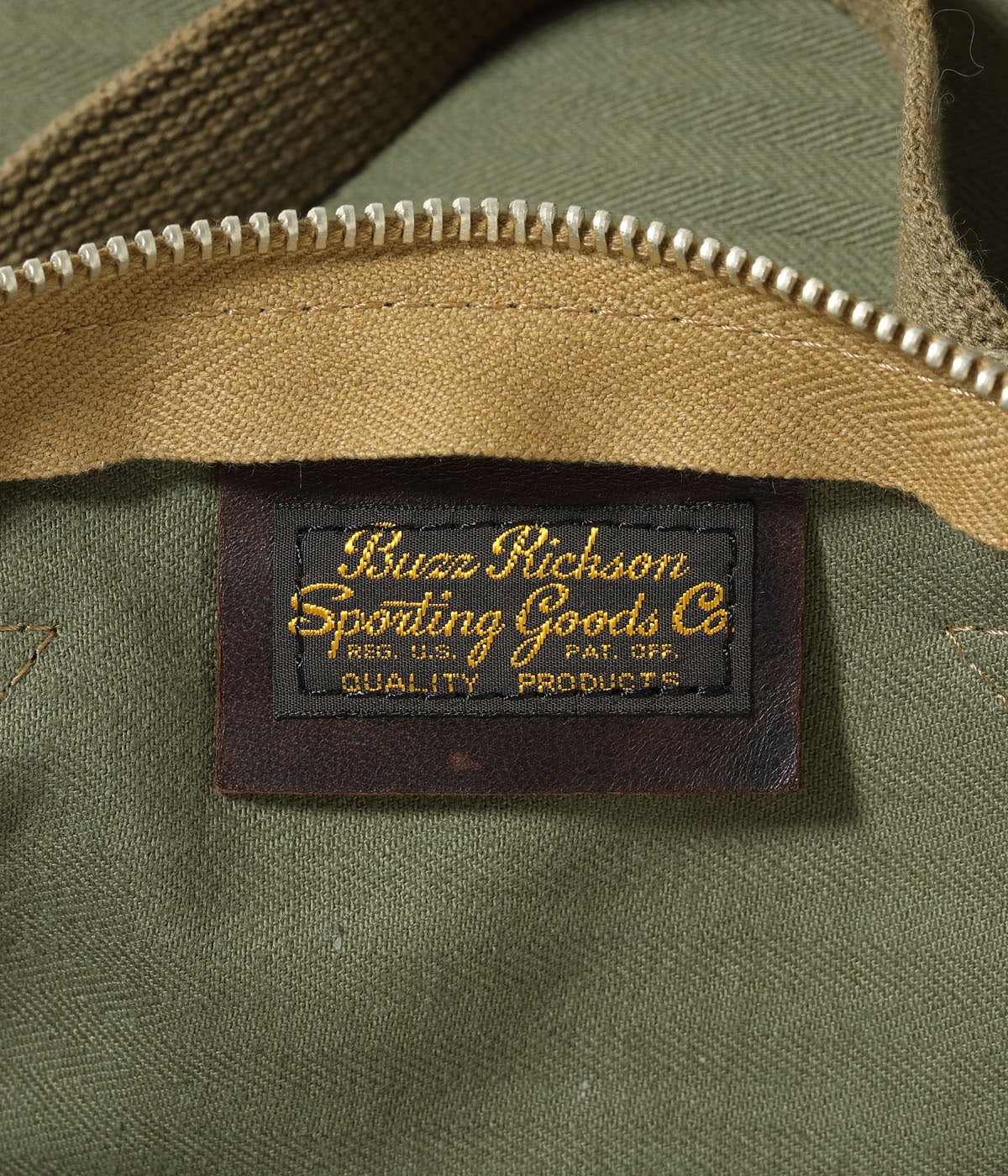
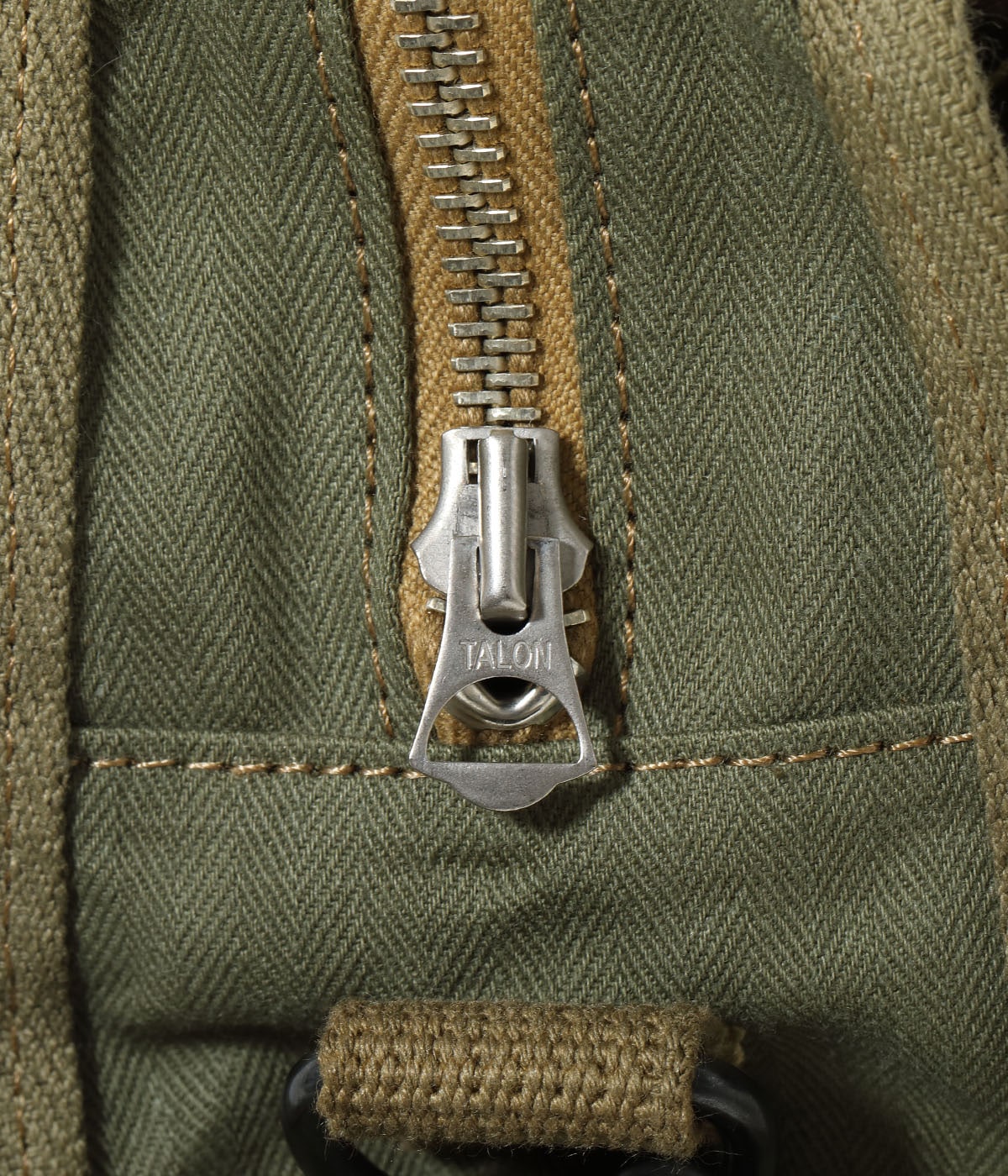
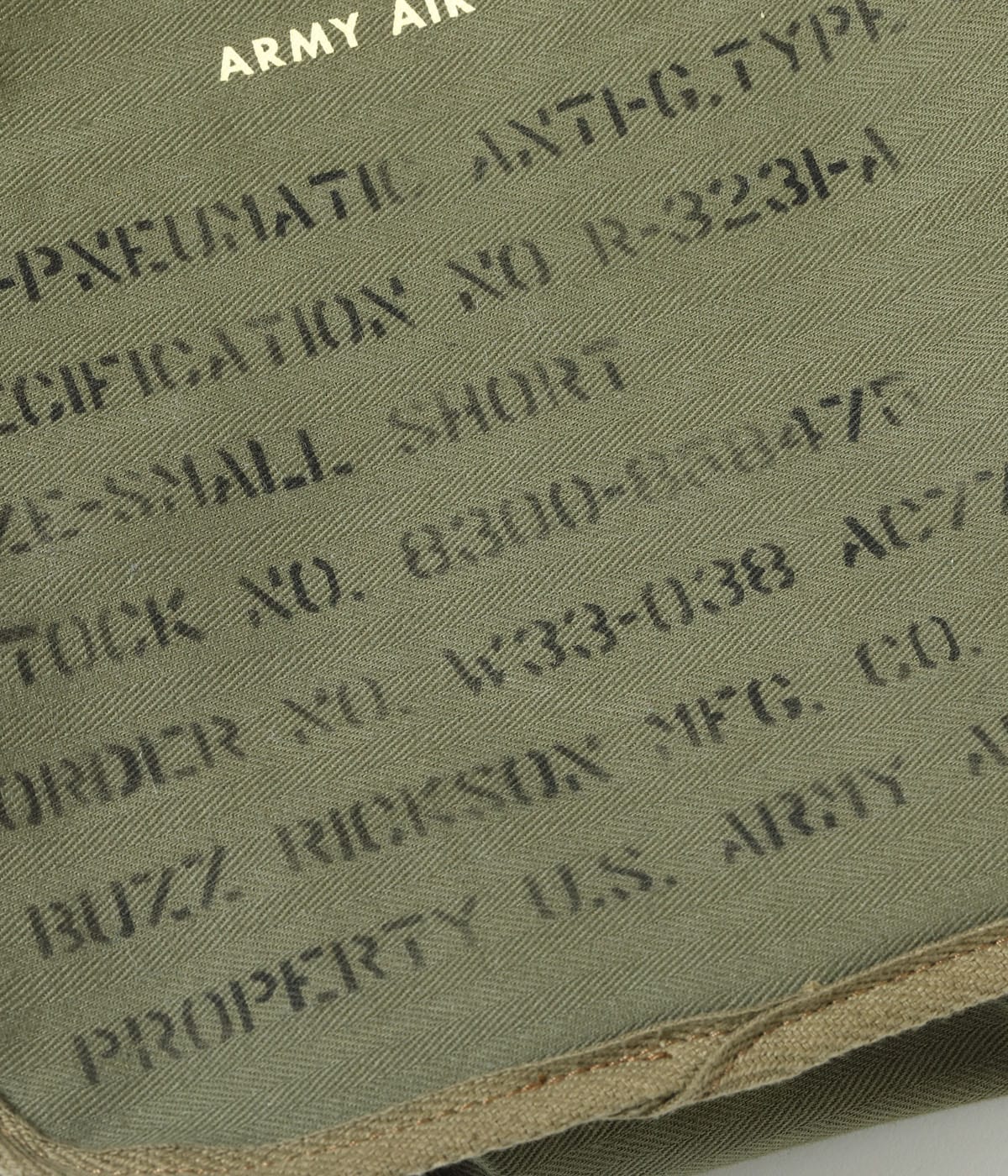
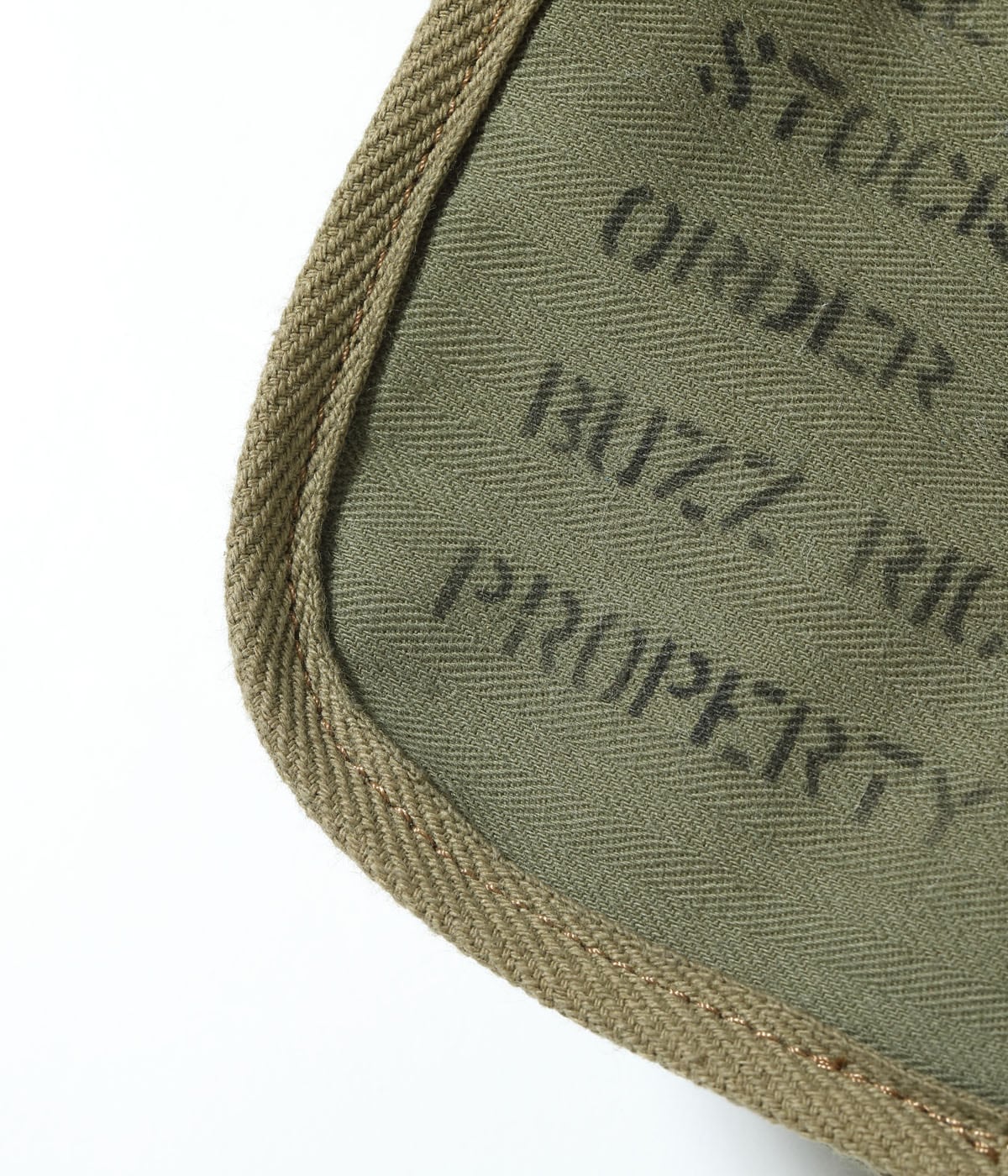
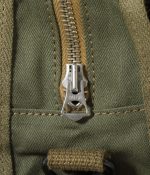
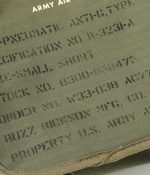
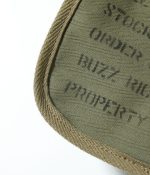
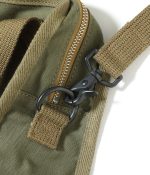
During World War II, the Type G-3A suit was adopted to reduce the G-forces exerted on pilots. The intense G-forces affect blood flow, causing blood to flow from the brain to the lower body, and if blood is lacking in the brain, the field of vision becomes pitch black, and eventually the pilot loses consciousness, resulting in a “G-lock” state. A suit was developed that tightly tightens the body with cords to prevent blood from flowing to the tips of the limbs. This bag was included to store the suit. The seams are carefully piped with time and effort, and the zipper uses a war-type TALON zipper. Although the capacity is compact, the transfer-type Air Force mark and the stencils that fill every corner show the pride of the Army Air Corps.
24cm x 21cm x 10cm
Made in Japan
In stock
Related products


Buzz Rickson’s Lot 51904 / Gold Tiger Pattern Shorts
In the 1960s, the US military procurement headquarters in Japan chose to procure camouflage uniforms from Japan. This was because Japan had advanced printing technology, rapid production, and was also cost-effective. The patterns were left to the discretion of factories across Japan, which is why countless variations of tiger stripe patterns were created. Many of the early tiger stripes were made in Japan, but some were sent to Okinawa for sewing, and some were also manufactured in Thailand and around Vietnam during the latter part of the Vietnam War. These shorts are an original Buzz Rickson's product that has been modified by cutting the length of the pants.
100% Cotton
Made in Japan
S - W30"
M - W32"
L - W34"
XL - W36"


Buzz Rickson’s Lot BR40025 / Original Spec. Chinos – Khaki
Military chino made with Buzz Rickson's original specifications. The fabric is a firm and strong cotton chino cloth reproduced from vintage. For the details, we analyzed chino pants from various eras and incorporated features such as the twin-needle stitching from the 1940s, handmade pockets on both sides, and the zipper fly from the 1960s. The silhouette is slimmer than the model at the time.
During World War I, soldiers' pants were jodhpur-style pants called "BREECHES," but during World War II, they changed to trousers (slacks) style, and were officially adopted by the Army Air Corps in 1937. However, the trousers that were initially issued were not well received by soldiers, and the military brought in private companies to improve quality. As a result of such repeated improvements, various types of military chino were born.
100% Cotton
Made in Japan
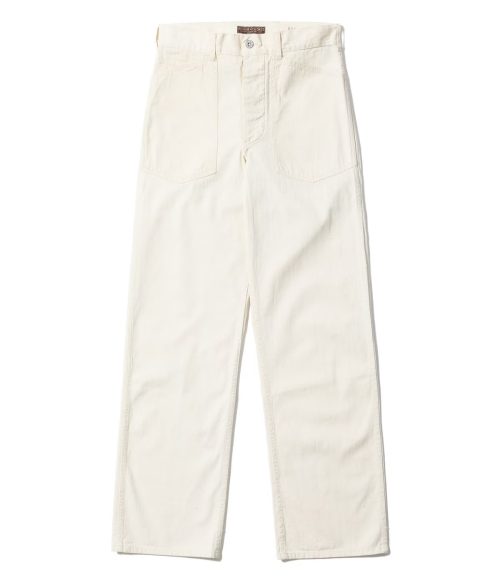
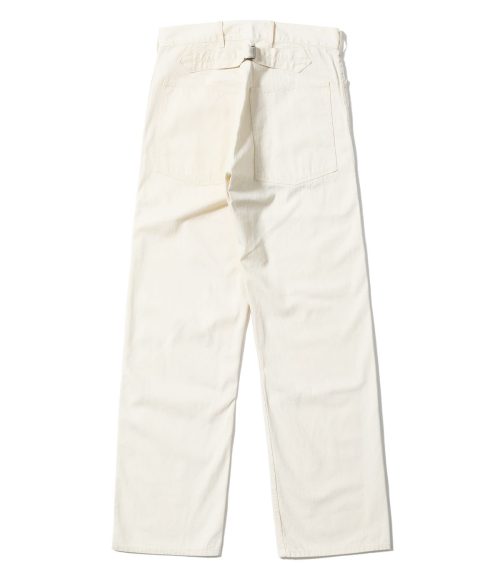
Buzz Rickson’s Lot BR42635 / Trousers, Working, White Twill
These Buzz Rickson's original army denim trousers are made from cotton twill. The black speckles visible in the fabric are evidence of a time when cotton was crushed and used as is during the spinning process, before spinning technology was advanced, faithfully reproducing the texture of a bygone era. Workwear worn by laborers in America. In America, painters who painted the white walls of buildings wore white trousers so that white paint stains would not be noticeable. From this background, white work trousers eventually came to be known as painter's pants and became popular.
100% Cotton
Made in Japan